
6th International Conference on
Materials Science, Engineering and Technology 2026
05-07 May 2026
Connecting Innovators, Transforming Tomorrow
Abstract Submission Deadline: 05 March 2026

Welcome to the 6th International Conference on Materials Science, Engineering and Technology 2026 (Materials 2026). This premier academic event is dedicated to fostering groundbreaking discussions and collaborations in the field of materials science, engineering and technology. Materials 2026 will bring together leading academic researchers, industry professionals, and promising students from around the globe to explore the latest advancements, emerging trends, and future directions in materials science. We aim to provide a comprehensive platform for the dissemination of cutting-edge research, the exchange of innovative ideas, and the cultivation of new partnerships that will drive the next generation of materials innovation.
Previous Conferences Stats
-
65+
Countries Participated -
1500+
Attendees -
900+
Presentations
Conference Chair

Shan-Ju Chiang
Department Head at Mechanical & Electrical Engineering, North Central College, United States
Dr. Shan-Ju Chiang’s research is situated in the field of renewable energy, with a special focus on solid-state batteries and advance ceramics. Dr. Chiang sees her research as part of the broader effort in the sustainable energy to study the interaction linking human society, environment, and materials development in the contemporary world. She is committed to disrupting global trends in engineering with respect to women and men of color receiving engineering degrees, and to make North Central College a national model for equity and excellence in engineering!
2026 Speakers
Materials 2026 brings together distinguished scientists and industry executives whose insights are driving progress in the field.

Kim Meow Liew
Professor at City University of Hong Kong, Hong Kong

Qingyu Yan
Professor at Nanyang Technological University, Singapore

Alexandra Navrotsky
Professor at Arizona State University, United States

Xiaoguang Duan
Professor at The University of Adelaide, Australia
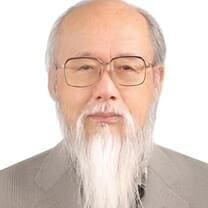
Masahiro Yoshimura
Professor at Tokyo Institute of Technology, Japan

Eva Unger
Professor at Humboldt University of Berlin, Germany

Giacomina Brunetti
Professor at University of Bari Aldo Moro, Italy
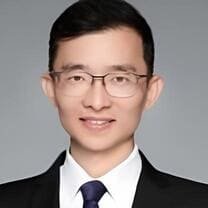
Xujie Lu
Professor at Center for High Pressure Science and Technology Advanced Research, China

Nereida Cordeiro
Professor at University of Madeira, Portugal

Minoo Tasbihi
Professor at Technical University of Berlin, Germany

Collin G. Joseph
Professor at Universiti Malaysia Sabah, Malaysia

Yoshifumi Oshima
Professor at Japan Advanced Institute of Science and Technology, Japan

Seong Chan Jun
Professor at Yonsei University, South Korea

Sonia Patricia Marques Ventura
Professor at University of Aveiro, Portugal
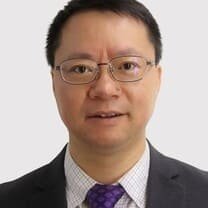
Meng Ni
Professor at The Hong Kong Polytechnic University, Hong Kong

Jyh-Ming Wu
Professor at National Tsing Hua University, Taiwan

Abdelhamid Errachid
Professor at Claude Bernard University Lyon 1, France

Valentina Brunella
Professor at University of Turin, Italy

Takayuki Kurokawa
Professor at Hokkaido University, Japan
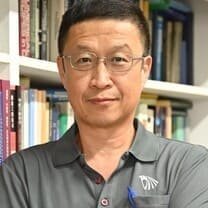
Tsun-Hsu Chang
Professor at National Tsing Hua University, Taiwan

Tohru Higuchi
Professor at Tokyo University of Science, Japan
Sessions
Materials 2026 will feature a diverse range of sessions within materials, organized into specialized topics to facilitate focused discussions. We invite submissions covering, but not limited to, the following areas
Session 1: Energy Materials and Technology
- Advanced Building and Infrastructure Materials
- Advanced Energy Conversion: Solar Thermal, CSP, Thermophotovoltaics
- Advanced Photovoltaic Materials: Solar Cells, Thin Films, Perovskites, Organic and Hybrid Photovoltaics
- Carbon Capture, Utilization, and Storage (CCUS)
- Catalysis and Chemical Processes
- Electrochemical Energy Storage: Batteries, Supercapacitors, Solid-state Batteries, Flow Batteries
- Energy Harvesting Materials: Thermoelectrics, Piezoelectrics, Triboelectrics
- Energy-efficient Building Materials and Technologies
- Energy-efficient Lighting: LEDs, OLEDs, Phosphors
- Energy-efficient Sensors and Systems
- Environmental Impact and Life-cycle Analysis
- Fuel Cell Technologies: Hydrogen Production, Storage, Fuel Cells
- Grid-scale Storage Solutions: Compressed Air Energy Storage, Pumped Hydroelectric Storage
- Hydrogen Storage and Utilization
- Insulation and Thermal Management
- Materials for Electronics and Power Devices
- Nanogenerators and Piezoelectronics
- Nanomaterials for Energy Applications
- Next-Generation Batteries
- Nuclear Energy Materials
- Phase Change Materials
- Smart Grid Technologies
- Smart Windows and Transparent Solar Cells
- Sustainable Energy Applications: Biomass, Biofuels, Waste-to-energy
- Transportation Applications: Lightweight Materials, Electric Vehicles, Hybrid Vehicles, Aerospace
- Wind and Hydroelectric Energy Materials
Session 2: Electronic and Photonic Materials
- Advanced Characterization of Photonic Materials
- Advanced Lasers and Photodetectors
- Electro-optic and Acousto-optic Materials
- Integration of Photonic and Electronic Materials
- Light-Emitting Diodes (LEDs) and Display Technologies
- Materials for Nonlinear Optics
- Materials for Terahertz Applications
- Nanoscale Photonics
- Optical Fibers and Waveguides
- Organic and Inorganic Photovoltaic Materials
- Photonic Crystals and Metamaterials
- Photonic Materials for Communication Technologies
- Quantum Dots and Quantum Well Structures
- Semiconductor Materials and Devices
- Synthesis and Processing of Photonic Materials
- Transparent Conducting Oxides
Session 3: Materials for Energy and Environment
- Advances in Electrochemical Energy Storage
- Battery Materials and Energy Storage Systems
- Catalysts for Energy Applications
- Energy-Efficient Materials and Technologies
- Environmental Impact of Materials Science
- Fuel Cells and Hydrogen Technology
- Green Materials and Sustainable Technologies
- Materials for CO2 Capture and Utilization
- Materials for Nuclear Energy
- Materials for Solar Energy Conversion and Photovoltaics
- Materials for Water Treatment and Purification
- Materials for Wind and Hydro Energy
- Photocatalytic Materials for Environmental Applications
- Supercapacitors and Energy Harvesting
- Thermoelectric Materials
- Waste Management and Recycling Materials
Session 4: Nanomaterials and Nanotechnology
- Advanced Nanocomposites
- Carbon Nanotubes and Nanofibers
- Characterization and Metrology of Nanomaterials
- Commercialization and Industrial Applications of Nanomaterials
- Environmental Applications of Nanotechnology
- Functional Nanomaterials: Structure, Properties, and Applications
- Gold Nanoparticles
- Graphene and Carbon Nanostructures
- Graphene and Other 2D Materials
- MXenes—Current Research and Scope of Future Advancements
- Nano- and Smart Materials in Solar Energy, Conversion, and Storage
- Nano-Biosensors
- Nanobiotechnology
- Nanocomposites and Hybrid Nanomaterials
- Nanocrystalline Materials
- Nanodevices and Nanosensors
- Nanodiamonds
- Nanoelectronics and Nanophotonics
- Nanoelectronics and Nanosensors
- Nanofabrication and Nanomanufacturing
- Nanofluids
- Nanographene Batteries
- Nanomaterials Fabrication, Characterization, Modeling, and Simulation
- Nanomaterials for 3D Printing and Additive Manufacturing
- Nanomaterials for Advanced Coatings and Surface Engineering
- Nanomaterials for Agriculture and Food Industry
- Nanomaterials for Biomedical Applications
- Nanomaterials for Biotechnology and Bioengineering
- Nanomaterials for Catalysis and Chemical Processes
- Nanomaterials for Drug Delivery and Therapeutics
- Nanomaterials for Electronics and Optoelectronics
- Nanomaterials for Energy Applications
- Nanomaterials for Energy Storage and Conversion
- Nanomaterials for Environmental Applications
- Nanomaterials for Flexible and Wearable Electronics
- Nanomaterials for Photonics and Plasmonics
- Nanomaterials for Tissue Engineering and Regenerative Medicine
- Nanomaterials for Water Purification and Desalination
- Nanomechanics and Nanotribology
- Nanoparticle Synthesis and Characterization
- Nanophotonics and Plasmonics
- Nanostructured Coatings, Surfaces, and Membranes
- Nanostructured Materials and Devices
- Nanotechnology and Quantum Computing
- Nanotechnology for Space Exploration and Aerospace Applications
- Nanotechnology for Sustainable Development
- Nanotechnology for Water and Air Filtration
- Nanotechnology in Agriculture and Food Industry
- Nanotechnology in Medicine and Healthcare
- Nanotechnology in Optics and Photonics
- Nanotechnology in Water Treatment
- Nanotechnology-driven Solutions for Better Energy Storage
- Nanotoxicology and Safety Aspects of Nanomaterials
- Physico-chemical Nanomaterials and Nanotechnology
- Polymers, Colloids, and Soft Nanotechnology
- Quantum Dots and Their Applications
- Recent Advancements in Nanotechnology and Their Applications
- Synthesis and Characterization of Nanomaterials
- Toxicology and Safety of Nanomaterials
Session 5: Functional Materials and Technology
- 2D Materials and Their Functional Applications
- Advanced Characterization Techniques for Functional Materials
- Advanced Functional Polymers and Composites
- Biomimetic and Bioinspired Materials: Design and Functional Properties
- Commercialization and Industrial Applications of Functional Materials
- Computational Modeling and Simulation of Functional Materials
- Conductive and Transparent Materials
- Emerging Technologies and Applications of Functional Materials
- Ferroelectric and Piezoelectric Materials: Design, Properties, and Applications
- Functional Coatings and Surface Engineering
- Functional Materials for Biomedical Applications
- Functional Materials for Catalysis and Chemical Processes
- Functional Materials for Electronics and Optoelectronics
- Functional Materials for Energy Conversion and Storage
- Functional Materials for Environmental Monitoring and Remediation
- Functional Materials for Sensors and Actuators
- Functional Materials for Wearable Technology and Flexible Electronics
- Functional Nanomaterials: Synthesis, Characterization, and Applications
- Magnetic and Spintronic Materials: Properties and Applications
- Multifunctional Composite Materials: Design, Fabrication, and Properties
- Photonic and Plasmonic Materials: Design, Fabrication, and Applications
- Self-Healing Materials and Technologies
- Shape Memory Materials: Behavior, Applications, and Advancements
- Smart Materials and Structures: Responsive and Adaptive Behavior
- Smart Textiles and Wearable Materials
- Soft and Flexible Functional Materials
- Stimuli-Responsive and Adaptive Materials
- Structural-Functional Integrated Materials
- Superconducting Materials and Applications
Session 6: Composite and Ceramic Materials
- Additive manufacturing of composite and ceramic materials
- Advanced composite materials: Design, fabrication, and characterization
- Bio-inspired composites: Structure, mechanics, and applications
- Biomaterials and bioceramics: Design, fabrication, and biomedical applications
- Ceramic coatings and surface engineering: Deposition techniques, properties, and applications
- Ceramic materials for electronic and photonic applications
- Ceramic materials for energy applications: Fuel cells, solar cells, and batteries
- Ceramic matrix composites: Processing, properties, and applications
- Ceramic nanomaterials: Synthesis, assembly, and functionalization
- Characterization techniques for composite and ceramic materials
- Composite and ceramic materials for aerospace and automotive applications
- Composite and ceramic materials in medical and dental applications
- Electrically and thermally conductive composites
- Environmental and sustainability aspects of composites and ceramics
- Fiber-reinforced composites: Manufacturing and performance
- High-temperature ceramics and composites
- Hybrid composites: Combining different material types for enhanced performance
- Industrial applications and commercialization of composite and ceramic materials
- Lightweight and high-strength materials
- Modeling and simulation of composite and ceramic materials
- Multifunctional composite materials
- Nanocomposites and nanoceramics
- Natural and Bio-Based Composites
- Applications of Natural Fiber-Reinforced Composites
- Processing Techniques for Bio-Based Composites
- Mechanical Properties of Natural Composites
- Environmental Impact and Life Cycle Analysis of Bio-Composites
- Polymer-ceramic composites
- Polymer-matrix composites: Manufacturing, performance, and optimization
- Processing innovations in composites and ceramics
- Smart and multifunctional composites: Sensing, actuation, and self-healing capabilities
- Smart and responsive composite materials
- Structural ceramics: Processing, characterization, and mechanical properties
- Structural health monitoring of composite materials
Session 7: Biomaterials, Biodevices, and Biomedical Engineering
- Advanced Materials in Cancer Therapy
- Antibacterial and Antimicrobial Biomaterials
- Bioactive Coatings and Surface Modifications for Medical Devices
- Bioactive Glasses and Ceramics for Medical Applications
- Bioactive Materials and Scaffolds
- Bioactive Materials for Wound Healing and Tissue Repair
- Biocompatibility Assessment and Testing of Biomaterials and Biodevices
- Biocompatible and Bioresorbable Materials: Design and Applications
- Biocompatible Polymers and Hydrogels for Biomedical Applications
- Biodegradable Materials and Stents for Medical Applications
- Biodevices for Drug Screening and Personalized Medicine
- Bioelectronics and Implantable Medical Devices
- Biofabrication and 3D Bioprinting of Tissues and Organs
- Bioinspired and Biointerfacing Materials for Improved Biocompatibility
- Biomaterials for Cardiovascular, Dental, and Orthopedic Applications
- Biomaterials for Drug Delivery and Controlled Release Systems
- Biomaterials for Neural Interfaces and Neuroengineering
- Biomaterials for Tissue Engineering and Regenerative Medicine
- Biomaterials: Synthesis and Characterization
- Biomechanics and Mechanobiology of Biomaterials
- Biomedical Applications of 3D Printing and Additive Manufacturing
- Biomimetic Materials and Structures for Biomedical Engineering
- Biosensors and Diagnostic Devices for Healthcare Monitoring
- Hydrogels and Smart Hydrogels
- Imaging and Visualization Devices
- Lab-on-a-Chip and Microfluidic Devices
- Materials for Medical Devices
- Nanomaterials and Nanoparticles for Targeted Drug Delivery
- Orthopedic and Dental Materials
- Polymers in Biomedical Applications
- Radio and Photo Therapy Devices
- Surface Modification of Biomaterials
Session 8: Electronic, Magnetic and Optical Materials
- Advances in Magnetism, Electromagnetism, and Spintronics
- Applications of Electronic, Magnetic, and Optical Materials
- Electronic, magnetic and optical materials: Structure and design
- Electronic, Magnetic, and Optical Materials: Market Trends, Challenges, and Innovations
- Hybrid and Multifunctional Electronic, Magnetic, and Optical Materials
- Luminescence Mechanisms and Energy Transfer Processes
- Luminescence mechanisms and energy transfers
- Magnetism, electromagnetism and spintronics
- Magnetostrictive materials: New Developments and Device Applications
- Nanoscale electronic, magnetic and optical materials
- Nanoscale Electronic, Magnetic, and Optical Materials: Advances and Challenges
- Piezoelectric Materials: Emerging Trends and Device Innovations
- Synthesis and Characterization Techniques for Next-generation Electronic, Magnetic, and Optical Materials
Venue

Furama RiverFront, 405 Havelock Rd, 169633, Singapore
Conference Gallery Materials 2025
Trusted by Leading Institutions and Organizations Worldwide
Over the years, MSI conferences have welcomed participants from many of the world’s most respected universities and research institutes.
















































Join a global community
Join a global community of researchers, innovators, and industry leaders at the forefront of materials science.
Meet
Meet the researchers and editors of the top journals of your and other fields
Network
Build up your comprehensive network with other experts
Idea
Exchange ideas with leading-edge industries
Current Research
Interchange the knowledge with speakers and understand the current state of research